Alcohol, Caffeine and Deep Sleep: What Your Evening Drinks Really Do
How alcohol and caffeine change your sleep stages, why a nightcap backfires, and simple timing rules that let you enjoy both and still sleep deeply.
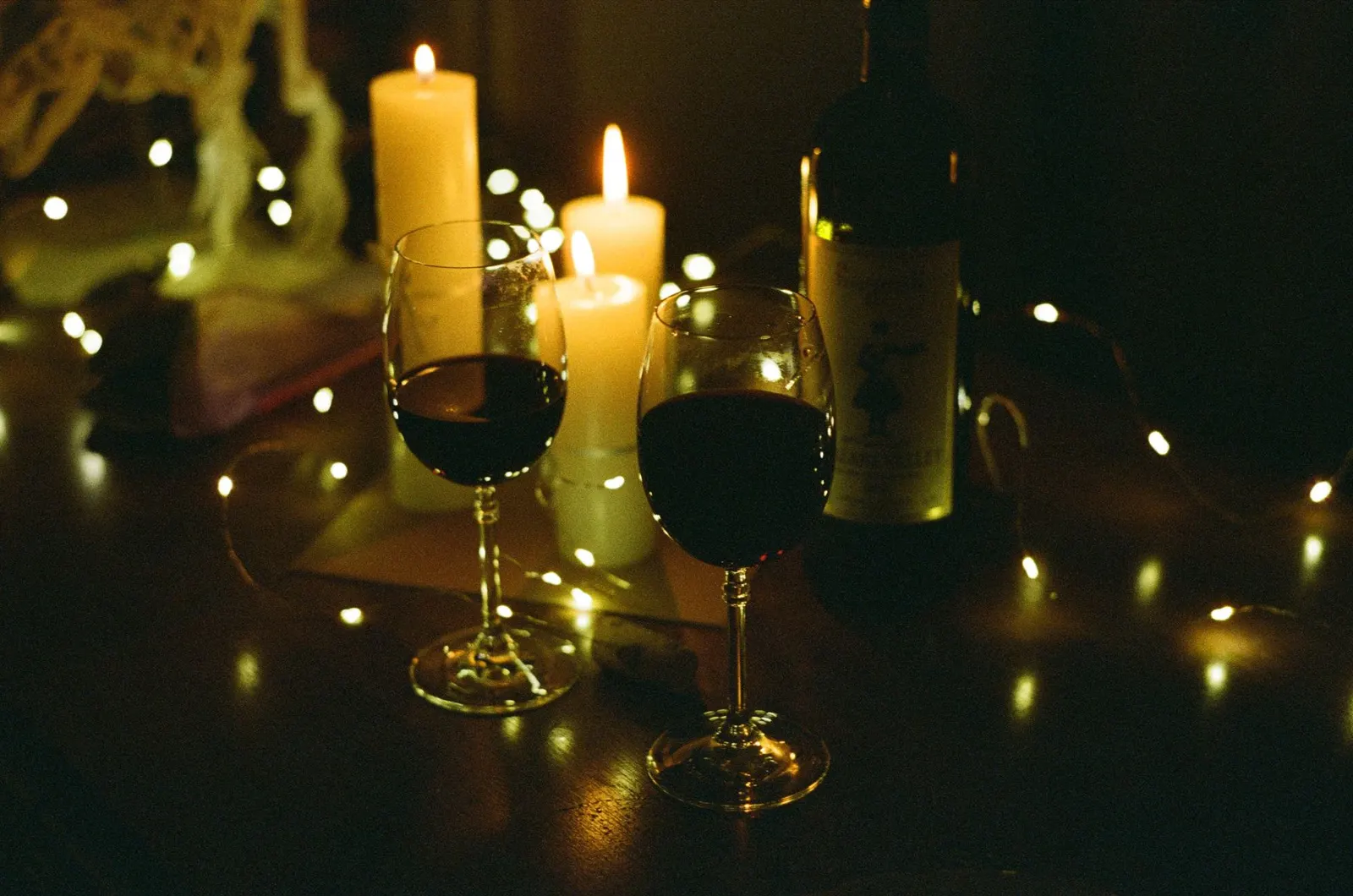
A glass of wine to unwind and a coffee to get going are part of daily life for many of us. Both affect sleep, but not always in the ways people expect. Alcohol can make you fall asleep faster yet leave you sleeping worse. Caffeine can make your sleep lighter even when you fall asleep without trouble.
This guide explains what each one does to your sleep stages, and how to time them so you can enjoy both without sacrificing deep, restorative sleep.
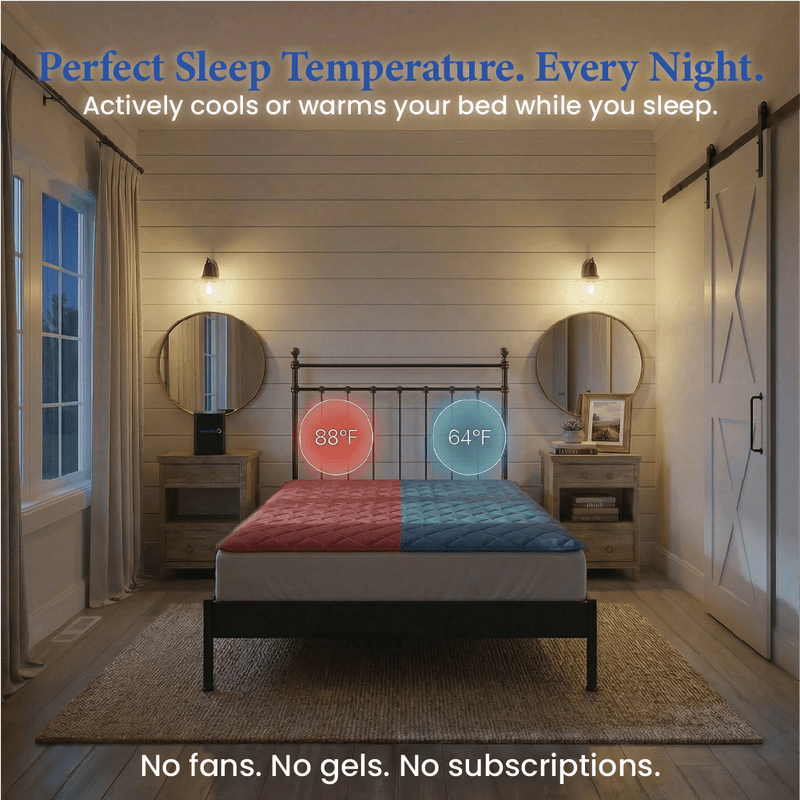
Good Sleep cooling and heating mattress topper
A water-based mattress topper that cools to 62°F and heats to 110°F and fits on top of the mattress you already have. Simple touch-panel control with no app, Wi-Fi or subscription. Dual zone on King.
Shop nowWho this guide is for
This guide is for anyone who drinks coffee, tea, energy drinks or alcohol and wants to understand how they affect sleep. You don’t need to give anything up; small timing changes often make a noticeable difference. If you’re pregnant, take medicines, have a health condition or find it hard to cut back on alcohol, talk to a doctor. For background, see what is deep sleep.
How caffeine affects sleep
While you’re awake, a chemical called adenosine builds up in your brain, increasing the pressure to sleep. Caffeine works mainly by blocking adenosine receptors, so you feel more alert, but the underlying sleep pressure is still there.
Because sleep pressure is closely linked with deep sleep, it’s not surprising that research has found caffeine can reduce slow-wave sleep and make sleep lighter. Studies have also found caffeine taken several hours before bed can reduce total sleep time for some people. You might not notice any difficulty falling asleep, but the quality of your sleep can still be affected.
Sensitivity varies widely. Genetics, age, pregnancy, some medicines and regular caffeine use all affect how quickly your body clears it.
Setting a caffeine cut-off
A common starting point is to stop caffeine by early afternoon. Then:
- Stick to that cut-off for two weeks.
- Note how quickly you fall asleep and how rested you feel.
- If sleep improves, keep it. If you’re very sensitive, try an earlier cut-off.
Cutting back suddenly from a high intake can cause headaches for a few days, so reducing gradually is often more comfortable.
Hidden caffeine
- Black and green tea.
- Cola and many soft drinks.
- Energy drinks and pre-workout supplements, some with large amounts.
- Chocolate, especially dark chocolate.
- Some pain relievers and cold remedies.
- Decaf coffee, which contains a small amount.
How alcohol affects sleep
Alcohol is a sedative, so it often helps people fall asleep faster. Some research has found it can increase deep sleep early in the night. But that’s only half the story.
As your body processes alcohol through the night, sleep tends to become lighter and more broken. Studies have found alcohol before bed is associated with:
- Less REM sleep, especially early in the night.
- More awakenings and lighter sleep in the second half of the night.
- Worse snoring and sleep apnea, because alcohol relaxes the throat muscles.
- More trips to the bathroom.
- Feeling hot or sweaty during the night.
The overall result is usually less restful sleep, even if you fell asleep quickly. The more you drink and the closer to bed, the bigger the effect tends to be.
Why a nightcap backfires
It’s easy to see why people use alcohol to help them sleep: it works at first. But using alcohol as a sleep aid tends to cost sleep quality later in the night, and the body can build tolerance, so more is needed for the same effect. If you regularly rely on alcohol to sleep, talk to a doctor; there are better options, including cognitive behavioural therapy for insomnia (CBT-I).
Timing alcohol for better sleep
- Leave a gap of a few hours between your last drink and bedtime.
- Keep amounts moderate.
- Alternate with water and drink with food.
- Have some alcohol-free evenings each week and notice how you sleep.
A two-week experiment
| Week | Change | Track |
|---|---|---|
| 1 | Firm caffeine cut-off by early afternoon | How rested you feel, night awakenings |
| 2 | Keep the caffeine cut-off; finish any alcohol at least three hours before bed | Same |
Many people are surprised by the difference. If you use a sleep tracker, look at trends over the whole week rather than single nights. See sleep trackers and deep sleep.
Better evening drinks
- Caffeine-free herbal teas such as chamomile, rooibos and peppermint.
- Warm milk or a milk alternative, if you enjoy it.
- Decaf coffee earlier in the evening.
- Alcohol-free beers, wines and mocktails.
- Sparkling water with fruit.
Keep evening drinks small to avoid waking up to use the bathroom.
Nicotine
Nicotine is a stimulant. People who smoke or vape may experience lighter sleep and wake as nicotine levels drop overnight. Quitting improves sleep and health in many ways, and support from a doctor or quit service makes success more likely.
How sensitivity to caffeine differs
Two people can drink the same coffee at the same time and have very different nights. Several things influence how long caffeine stays active in your body:
- Genetics. Variations in the liver enzymes that break caffeine down mean some people are naturally fast processors and others slow.
- Age. Many people find they become more sensitive to caffeine as they get older.
- Pregnancy. Caffeine is cleared more slowly during pregnancy, and health services generally advise limiting intake.
- Medicines. Some medicines, including certain hormonal contraceptives and antibiotics, can slow caffeine clearance. Ask your pharmacist.
- Smoking. Smoking speeds up caffeine processing, so people who quit sometimes find their usual coffee suddenly affects them more.
- Regular use. Habitual coffee drinkers may feel less of a buzz, but that doesn’t mean their sleep is unaffected.
The practical lesson is to judge by your own experience rather than by what other people can tolerate. If you’re unsure, try a stricter cut-off for two weeks and see what changes.
Common mistakes
Using caffeine to cover a bad night. An extra afternoon coffee helps you through the day but can make the following night lighter, which sets up the same problem again. Fixing sleep often means needing less caffeine.
Assuming you’re immune. Falling asleep quickly after coffee doesn’t mean caffeine isn’t affecting the depth of your sleep.
The weekend “catch-up” drinking session. Larger amounts of alcohol close to bed have bigger effects on sleep quality, and a late Saturday can throw off your body clock for Sunday night too.
Forgetting energy drinks and pre-workouts. These can contain much more caffeine than a cup of coffee, and are often consumed in the afternoon or evening.
Switching from alcohol to sleeping pills without advice. If you’re struggling to sleep without a drink, talk to a doctor about safe, effective options rather than self-medicating.
Special situations
Shift workers. Caffeine can help with alertness during a night shift, but avoid it in the last few hours before you plan to sleep. Keep the bedroom dark and cool for daytime sleep.
Social events. If you know you’ll be drinking in the evening, eat beforehand, alternate with water and stop a few hours before bed if you can. Get morning light the next day and keep your usual wake time.
People with reflux or snoring. Alcohol can worsen both. If you notice more heartburn or louder snoring after drinking, that’s another reason to leave a bigger gap before bed.
A real-world example
Someone drinks a large coffee at 3 p.m. most days and has a glass of wine or two with dinner. They fall asleep easily but wake at 3 a.m. and feel groggy every morning. They move their last coffee to noon and keep alcohol to weekends for a fortnight. They find they wake less in the night and feel noticeably better in the mornings, and decide to keep the earlier coffee cut-off permanently.
Key takeaways
- Caffeine blocks the chemical behind sleep pressure and can reduce deep sleep.
- Set a caffeine cut-off in the early afternoon and adjust.
- Alcohol helps some people fall asleep but disrupts sleep later in the night.
- Leave a few hours between your last drink and bedtime.
- Don’t rely on alcohol as a sleep aid.
Related guides
These guides go deeper on closely related topics:
- Sleep Trackers and Deep Sleep: How Accurate Are Those Numbers?: how accurate wearable deep sleep numbers really are.
- Stress and Deep Sleep: How to Calm Your Mind for Deeper Rest: how to calm your mind for deeper rest.
- Deep Sleep vs REM Sleep: What’s the Difference and Why Both Matter: how the two key stages differ and why you need both.
- Temperature and Deep Sleep: Why a Cooler Bed Helps You Sleep Deeper: why a cooler bed helps and how to get there.
Each one follows the same approach: practical steps, plain language, honest about what the research does and doesn’t show, and no miracle cures.
A cool, comfortable bed helps you stay asleep through the second half of the night. For an active option, Good Sleep makes a water-based topper that cools the bed surface down to 62°F, controlled from a simple touch panel.
Frequently asked questions
Does alcohol increase deep sleep?
Some studies have found alcohol can increase deep sleep early in the night, but it tends to disrupt sleep later, reduce REM sleep and cause more awakenings. Overall sleep quality is usually worse.
How long before bed should I stop caffeine?
Early afternoon is a common starting point for a typical bedtime. Sensitive people may need an earlier cut-off.
Does decaf affect deep sleep?
Decaf contains only a small amount of caffeine, and most people can drink it in the evening without problems.
Why do I wake up at 3 a.m. after drinking?
As alcohol is processed, sleep tends to become lighter and more fragmented in the second half of the night, which can cause early-morning awakenings.
Is green tea OK at night?
Green tea contains caffeine, though usually less than coffee. If you’re sensitive, choose a caffeine-free herbal tea in the evening.
Are energy drinks worse than coffee for sleep?
Some energy drinks contain more caffeine than a typical cup of coffee, plus other stimulants and sugar. They’re often drunk later in the day, which makes them more likely to affect sleep.