Temperature and Deep Sleep: Why a Cooler Bed Helps You Sleep Deeper
How body and room temperature affect deep sleep, a sensible starting point for your bedroom, and practical ways to keep your bed from overheating.
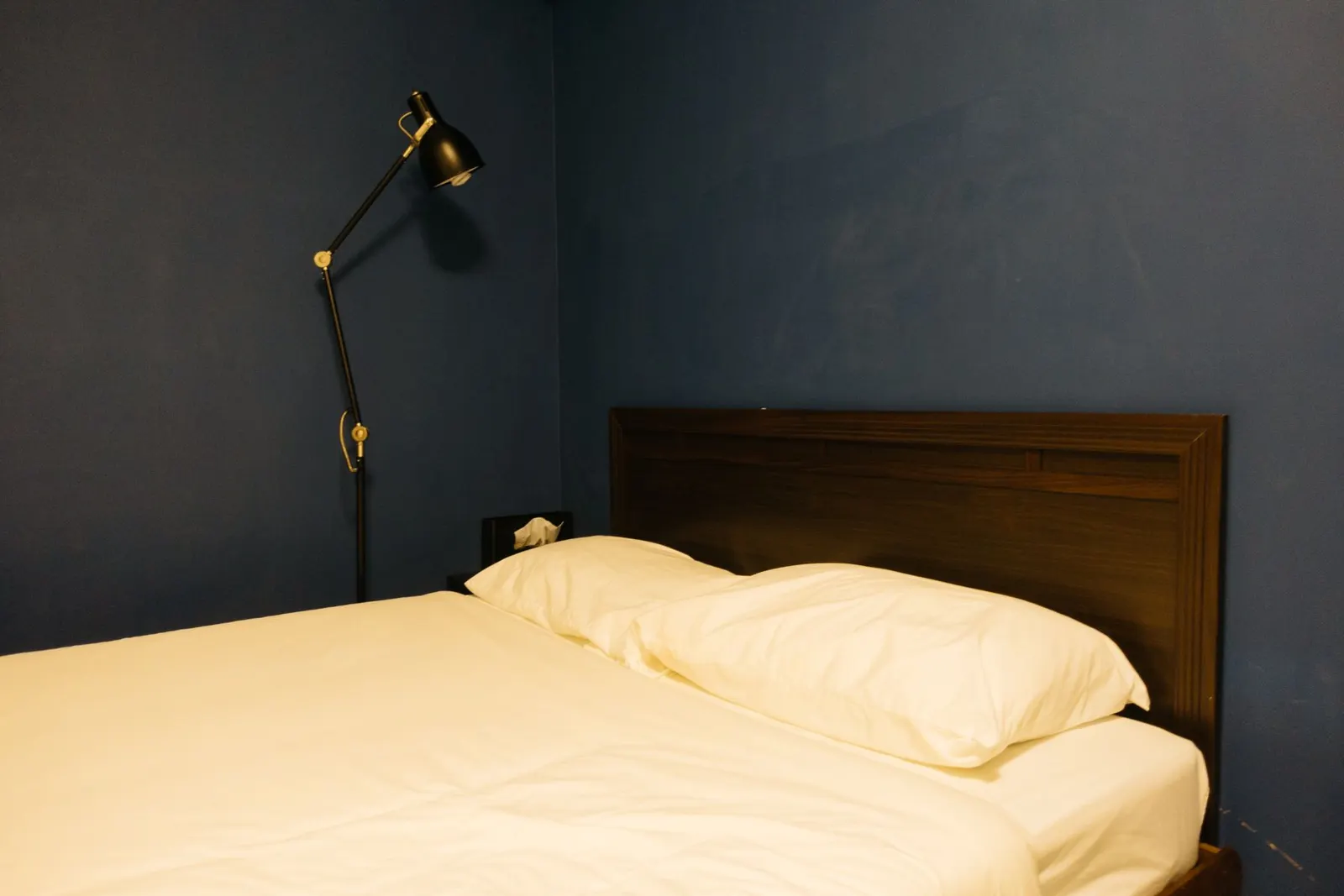
Temperature is one of the most underrated parts of sleep. Your body’s internal temperature rhythm is closely tied to your sleep cycle, and a room or bed that’s too hot can pull you out of deeper stages of sleep. The good news is that temperature is also one of the easiest things to change.
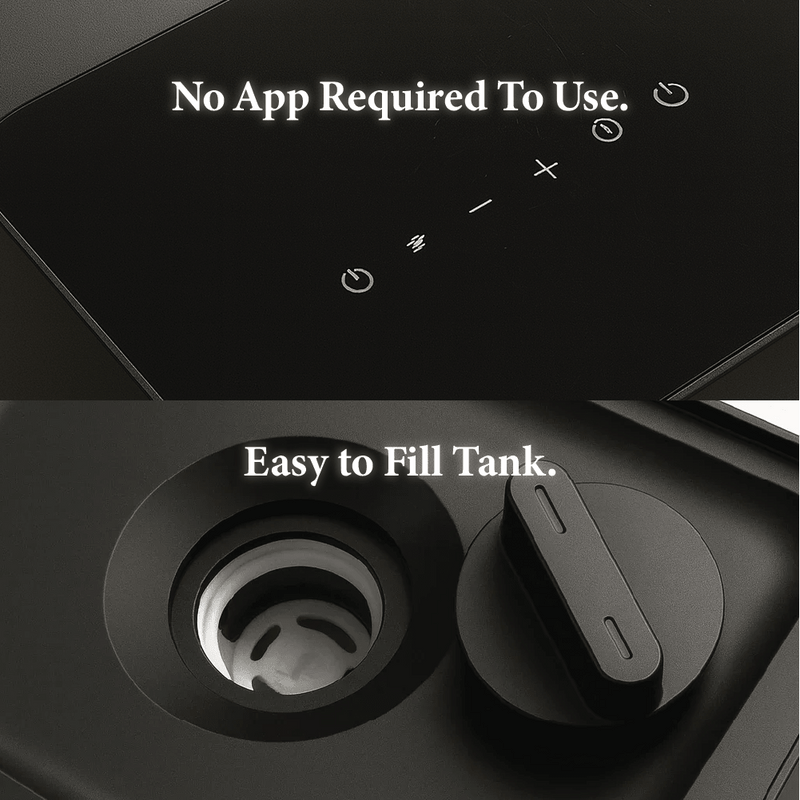
Good Sleep cooling and heating mattress topper
A water-based mattress topper that cools to 62°F and heats to 110°F and fits on top of the mattress you already have. Simple touch-panel control with no app, Wi-Fi or subscription. Dual zone on King.
Shop nowWho this guide is for
This guide is for anyone who wakes up hot, kicks off the covers, has a partner who runs at a different temperature or simply wants to sleep more deeply. If you regularly wake up drenched in sweat, see a doctor too, as night sweats can have medical causes. For the basics of deep sleep, see what is deep sleep.
How body temperature and sleep are linked
Your core body temperature follows a daily rhythm. It starts to fall in the evening, reaches its lowest point in the early hours of the morning and rises again before you wake. This drop is part of how your body prepares for and maintains sleep.
To lose heat, your body widens blood vessels in your skin, especially in your hands and feet. That’s one reason warm feet are associated with falling asleep more easily, and why a warm bath before bed may help some people: the warmth draws blood to the skin, and you cool down afterwards.
When the environment is too hot, your body struggles to shed heat. Research has found that heat exposure can increase wakefulness and reduce slow-wave sleep and REM sleep. A cold room can also disturb sleep if you’re uncomfortably cold, but most people find mild coolness easier to handle than heat. One water-based topper that cools to 62°F with no app is listed at trygoodsleep.com.
A sensible starting temperature
There’s no single perfect number for everyone. Many sleep organisations suggest a bedroom in the mid-60s Fahrenheit, roughly 60 to 67 °F (about 15 to 19 °C), as a starting range. Adjust based on:
- Your bedding. A heavy duvet can make a cool room feel warm.
- What you wear to bed.
- Humidity. Humid air feels warmer.
- Age and health. Some people, including many older adults, prefer it warmer.
- Who you share the bed with. Two bodies generate more heat.
Change one thing at a time and give it several nights.
The bed itself can be the problem
Even in a cool room, the bed can trap heat. The microclimate between your body and the mattress, sometimes called the sleep surface temperature, matters a lot. Factors include:
- Mattress materials. Some dense foams mould closely around the body and reduce airflow, which can feel warm. Springs, hybrids and more open foams often feel cooler.
- Mattress protectors. Some waterproof protectors trap heat.
- Bedding. Synthetic fabrics may trap more heat than breathable cotton or linen for some people.
- Pillows. Dense foam pillows can feel warm against your head.
If you wake hot despite a cool room, look at the bed.
Practical ways to cool down
From cheapest to most involved:
- Block the sun during the day with curtains or blinds.
- Ventilate at night if the outside air is cooler.
- Use a fan for airflow and steady background sound.
- Choose breathable bedding and lighter layers in warm weather.
- Wear light, breathable sleepwear, or less of it.
- Take a warm shower or bath one to two hours before bed.
- Use air conditioning in hot climates or heatwaves.
- Consider a cooler mattress or a temperature-regulating topper.
Temperature-controlled toppers
Some mattress toppers are designed to sleep cooler using breathable materials, and some actively cool or heat the surface. Good Sleep, the company behind this site, makes the Good Sleep cooling and heating mattress topper, which lets you set the bed temperature. It can be useful for hot sleepers and couples who disagree about temperature. We make it, so we’re biased. It isn’t a treatment for sleep disorders, and the free fixes above come first.
Couples with different preferences

One partner too hot, the other too cold is one of the most common bedroom conflicts. Options include:
- Separate duvets of different weights.
- Different sleepwear.
- A fan aimed at one side of the bed.
- Dual-zone bed temperature control.
Menopause, night sweats and temperature
Hot flushes and night sweats are common around menopause and can wake people repeatedly, breaking up deeper sleep. A cool room, breathable layers, a fan and keeping a glass of water nearby can help. If they’re disrupting sleep a lot, talk to a doctor about treatment options.
Alcohol, meals and heat
Alcohol widens blood vessels in the skin and can leave you feeling hot and sweaty later in the night, as well as fragmenting sleep. Large, late meals may make some people feel warmer. See alcohol, caffeine and deep sleep.
A one-week experiment
| Nights | What to do |
|---|---|
| 1 to 3 | Keep your usual setup; note how you sleep and whether you wake hot |
| 4 to 7 | Change one thing, such as lowering the thermostat or switching bedding |
| Review | Compare notes; keep what helped and try the next change |
Common mistakes
Turning the heating up at night in winter. A warm living room is pleasant, but a warm bedroom can make sleep lighter. Turning the heating down at night saves energy too.
Too many layers that can’t be adjusted. Layers you can add or remove without waking fully give you more control than one heavy duvet.
Overlooking the mattress. If you’ve cooled the room and still wake hot, the bed may be trapping heat.
Blaming temperature for everything. Night sweats can have medical causes, including hormonal changes, infections and some medicines. If you regularly wake drenched, see a doctor.
Seasonal adjustments
| Season | Adjustments to try |
|---|---|
| Summer | Block daytime sun, fan at night, lightest bedding, ventilate when cooler outside |
| Autumn | Add a light layer; turn heating down at night |
| Winter | Layered bedding, socks if feet are cold, seal draughts, avoid overheating the room |
| Spring | Swap to lighter bedding as nights warm up |
Real-world examples
The summer struggle. A couple in a top-floor apartment sleep badly every summer. Closing blinds during the day, running a fan at night and switching to a light cotton sheet make the room more bearable, and they consider air conditioning for heatwaves.
The split-temperature couple. One partner runs hot and the other is always cold. Separate duvets of different weights end the nightly battle, and they later add dual-zone temperature control.
The memory foam surprise. Someone buys a new dense foam mattress and starts waking up sweaty, despite a cool room. A breathable mattress protector and cotton sheets help; a cooling topper is the next option they consider.
Temperature and children
Children’s sleep is affected by temperature too. Keep children’s rooms comfortably cool, avoid overdressing them for bed and follow official safe sleep guidance for babies, which includes avoiding overheating and keeping loose bedding out of the cot.
Key takeaways
- Your core temperature falls as you sleep, and heat can disturb deeper sleep.
- A cool room, roughly 60 to 67 °F (15 to 19 °C), is a common starting point.
- The bed can trap heat even when the room is cool.
- Fans, breathable bedding and blocking daytime heat are cheap first steps.
- Couples can use separate duvets or dual-zone solutions.
Related guides
These guides go deeper on closely related topics:
- Exercise and Deep Sleep: How Moving More Can Help You Sleep Deeper: how moving more supports deeper sleep, with a starter plan.
- Deep Sleep and Memory: What Happens in Your Brain Overnight: what happens in your brain overnight.
- What Is Deep Sleep? The Complete Plain-English Guide: the complete plain-English guide to slow-wave sleep.
- How Much Deep Sleep Do You Need? What the Evidence Says: what the evidence says and why there is no magic number.
Each one follows the same approach: practical steps, plain language, honest about what the research does and doesn’t show, and no miracle cures.
Frequently asked questions
Does a cooler room increase deep sleep?
Research shows heat can disturb sleep, including deep sleep. Keeping the room comfortably cool supports better sleep for most people, though individual responses vary.
What’s the best temperature for deep sleep?
There isn’t one ideal number for everyone. A cool room in the range of roughly 60 to 67 °F (15 to 19 °C) is a common starting point.
Why do I wake up hot at 3 a.m.?
Common reasons include a warm room or bed, heavy bedding, alcohol, a late meal and hormonal changes. If night sweats are frequent and heavy, see a doctor.
Does sleeping with socks on help?
Warm feet can help some people fall asleep, by encouraging heat loss from the skin. If socks make you too hot later, take them off.
Do cooling mattress toppers work?
Some can make the sleep surface feel cooler, which can help people whose main problem is overheating in bed. They’re not a substitute for a reasonable room temperature or for treating sleep disorders.
Is it better to sleep with a window open?
If the outside air is cooler, quiet and clean, an open window can help cool the room and improve ventilation. If it lets in noise, light, pollen or pollution, a fan or air conditioning may be a better option.
Does a weighted blanket make you too hot?
Some weighted blankets can feel warm because of their materials and weight. If you like the feeling of a weighted blanket but sleep hot, look for breathable covers and use lighter layers on top, or save it for cooler months.