How to Get More Deep Sleep: 10 Habits That Actually Help
Practical, evidence-informed habits that support deep sleep, from sleep timing and exercise to bedroom temperature and alcohol, with no gimmicks.
If your sleep tracker shows low deep sleep, or you wake up feeling like you never really switched off, it’s natural to wonder how to get more of it. The honest answer is that you can’t flip a switch to make your brain produce more slow-wave sleep. But you can create the conditions that let your body get the deep sleep it needs.
This guide covers ten habits that are sensible, low-risk and supported by research on sleep in general and deep sleep in particular, in roughly the order most people should try them.
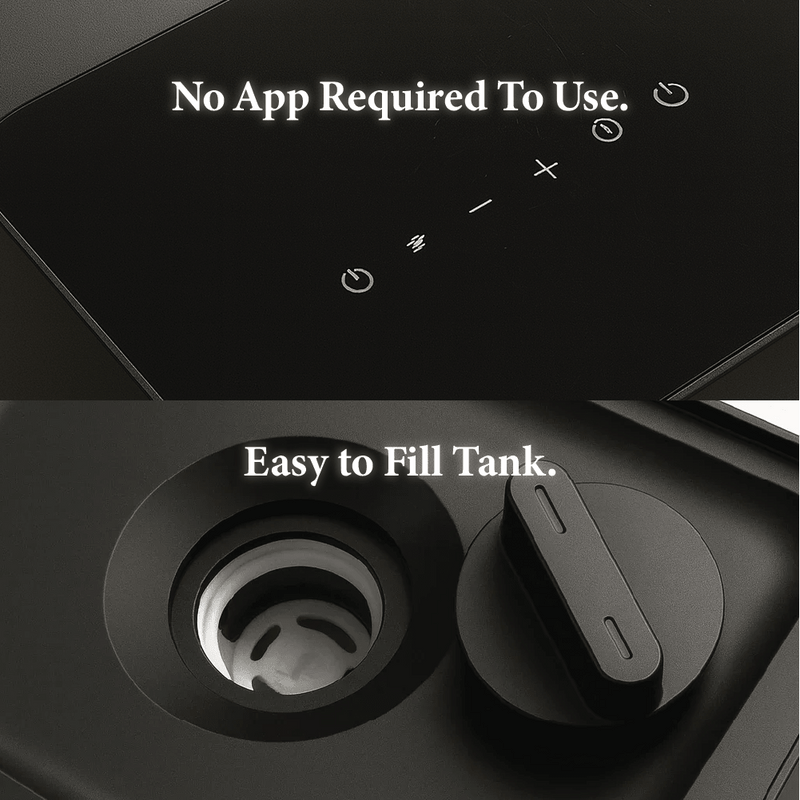
Good Sleep cooling and heating mattress topper
A water-based mattress topper that cools to 62°F and heats to 110°F and fits on top of the mattress you already have. Simple touch-panel control with no app, Wi-Fi or subscription. Dual zone on King.
Shop nowWho this guide is for
This guide is for adults who want to sleep more deeply and wake up more refreshed. You might be getting enough hours but still feel unrested, or you might be short on sleep and want to make the most of the time you have. If you have symptoms of a sleep disorder, such as loud snoring, gasping during sleep or severe daytime sleepiness, see a doctor as well as working on these habits. For background, read what is deep sleep first.
1. Get enough total sleep
The simplest way to protect deep sleep is to give yourself enough time in bed. Most adults need at least seven hours of sleep, according to public health guidance. Deep sleep is concentrated in the first half of the night, so very short nights cut into it, and they cut into everything else too.
Work backwards from the time you need to wake up and set a bedtime that allows enough sleep, plus a little time to fall asleep.
2. Keep a steady wake time
A consistent schedule supports your body clock, which helps time sleep stages through the night. Get up at roughly the same time every day, including weekends, and let bedtime follow sleepiness. Large swings between weekday and weekend schedules can leave you feeling jet-lagged.
3. Build sleep pressure during the day
Sleep pressure, the drive to sleep that builds the longer you’re awake, is closely linked with deep sleep. The more sleep pressure you have at bedtime, the more slow-wave activity tends to appear early in the night.
To protect it:
- Avoid long or late naps. A short nap of around 20 minutes in the early afternoon is usually fine; longer or later naps reduce sleep pressure.
- Don’t spend too long in bed awake. Going to bed hours before you’re sleepy can make sleep lighter and more broken.
4. Move your body
Regular physical activity is one of the most consistently supported habits for better sleep. Some studies have found that exercise is associated with more slow-wave sleep, though effects vary between people and studies. Walking, cycling, swimming, strength training and yoga all count.
Most people can exercise in the evening without problems, but if intense late workouts leave you wired, move them earlier. See exercise and deep sleep.
5. Get morning light
Bright light in the morning helps anchor your body clock, which supports a regular sleep schedule. Spend some time outdoors soon after waking, even on cloudy days. In the evening, dim the lights to help your body wind down.
6. Keep the bedroom cool
Your core body temperature drops as you fall asleep, and a cool room helps. Research suggests heat exposure can disturb sleep, including slow-wave sleep. Many sleep organisations suggest a bedroom on the cooler side, roughly in the mid-60s Fahrenheit (around 18 °C), as a starting point. A cooling mattress topper is another option if you have tried the basics and still wake up warm.
Breathable bedding and a fan can help. If you sleep hot or share a bed with someone who does, a temperature-regulating mattress topper is one option. Good Sleep, the company behind this site, makes the Good Sleep cooling and heating mattress topper. We make it, so we’re not neutral; try the free fixes first. See temperature and deep sleep.
7. Keep it dark and quiet
Light and noise can pull you into lighter sleep or wake you briefly, even if you don’t remember it. Use blackout curtains or an eye mask, and earplugs or a steady background sound such as a fan to mask sudden noises.
8. Be careful with alcohol
Alcohol can make you feel drowsy and may even change deep sleep early in the night, but it tends to disrupt sleep later on, causing lighter, more fragmented sleep and less REM. Overall sleep quality is usually worse. Leave a gap of a few hours between your last drink and bedtime, and keep amounts moderate. See alcohol, caffeine and deep sleep.
9. Time caffeine earlier
Caffeine blocks adenosine, one of the chemicals behind sleep pressure. Research has found caffeine can reduce slow-wave sleep and make sleep lighter, even when people don’t notice trouble falling asleep. Set a cut-off in the early afternoon and adjust based on how you sleep.
10. Wind down and manage stress
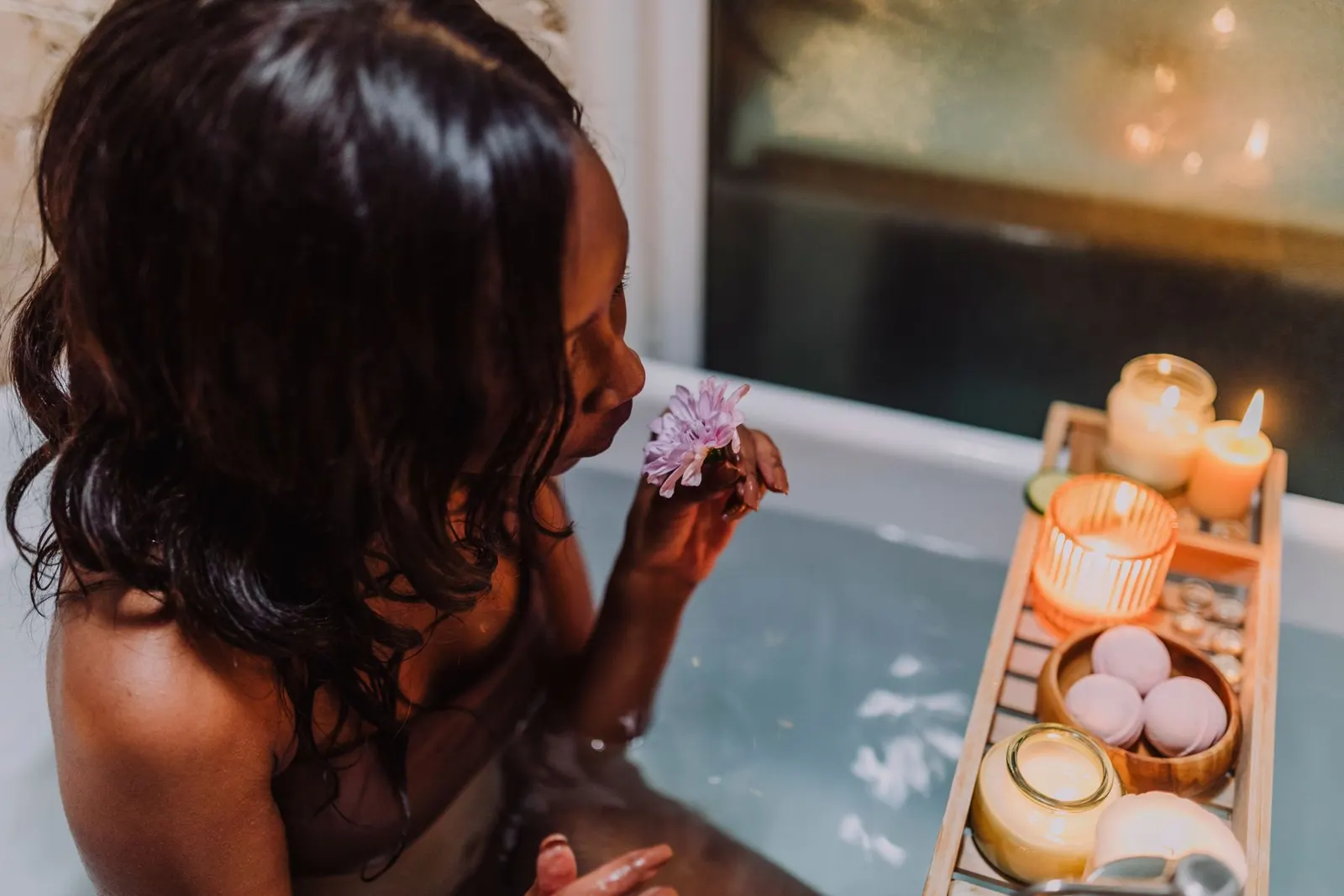
Stress and a busy mind make it harder to fall asleep and may make sleep lighter. A 30 to 60 minute wind-down routine in dim light, such as reading, a warm shower, stretching or slow breathing, helps your mind shift gears. Some people find a warm bath or shower an hour or two before bed helps them fall asleep more quickly. See stress and deep sleep.
Don’t forget sleep disorders
If you’re doing all of this and still feel exhausted, a sleep disorder may be fragmenting your sleep. Obstructive sleep apnea, in particular, repeatedly interrupts breathing and can pull you out of deeper sleep many times a night, often without you knowing. Signs include loud snoring, gasping or choking, morning headaches and daytime sleepiness. It’s common and treatable. Talk to a doctor if any of this sounds familiar. See why you wake up tired.
A four-week plan
Trying everything at once rarely sticks. Here’s a sensible sequence:
| Week | Focus | What to do |
|---|---|---|
| 1 | Time and timing | Set a fixed wake time and a bedtime that allows at least seven hours |
| 2 | Light and naps | Morning light every day; keep naps short and early |
| 3 | Bedroom | Cooler, darker, quieter; breathable bedding |
| 4 | Drinks and wind-down | Earlier caffeine cut-off, gap after alcohol, 30-minute wind-down |
Add regular activity throughout. Keep a quick note each morning about how rested you feel on a scale of one to five; that’s often more useful than a tracker’s deep sleep number.
What about supplements and gadgets?
You’ll see many products marketed to increase deep sleep, from supplements to headbands that play sounds during sleep. Some have early research, but evidence is mixed and often comes from small studies. None replaces the basics above. If you’re considering a supplement, check with a doctor or pharmacist, especially if you take other medicines, are pregnant or have a health condition.
Common mistakes
Going to bed hours early to “get more deep sleep”. Lying awake in bed reduces sleep efficiency and can make sleep lighter. Go to bed when sleepy.
Chasing tracker numbers. Deep sleep estimates can be inaccurate, and worrying about them can make sleep worse.
Relying on a nightcap. Alcohol may help you drift off but tends to disrupt sleep later in the night.
Trying everything at once. Change one or two things at a time so you can see what helps.
A real-world example
Someone in their forties sleeps about six hours on weeknights, drinks coffee until 4 p.m. and has a beer most evenings. Over a month, they move their bedtime earlier, set a noon caffeine cut-off, keep alcohol to weekends and start walking in the mornings. They feel more refreshed, fall asleep faster and notice they wake less in the night, even though their tracker’s deep sleep figure changes only a little.
Key takeaways
- You can’t force deep sleep, but you can create the conditions for it.
- Enough total sleep and a steady schedule are the foundation.
- Build sleep pressure with daytime activity and by avoiding long, late naps.
- Keep the bedroom cool, dark and quiet.
- Limit late caffeine and alcohol, and treat any sleep disorder.
Related guides
These guides go deeper on closely related topics:
- Deep Sleep vs REM Sleep: What’s the Difference and Why Both Matter: how the two key stages differ and why you need both.
- Temperature and Deep Sleep: Why a Cooler Bed Helps You Sleep Deeper: why a cooler bed helps and how to get there.
- Sleep Trackers and Deep Sleep: How Accurate Are Those Numbers?: how accurate wearable deep sleep numbers really are.
- Stress and Deep Sleep: How to Calm Your Mind for Deeper Rest: how to calm your mind for deeper rest.
Each one follows the same approach: practical steps, plain language, honest about what the research does and doesn’t show, and no miracle cures.
Frequently asked questions
What is the fastest way to get more deep sleep?
There isn’t a reliable quick fix. The fastest changes are often making sure you get enough total sleep, avoiding alcohol close to bedtime and keeping the bedroom cool.
Does exercise increase deep sleep?
Some research has found regular exercise is associated with more slow-wave sleep and better sleep quality overall, though effects vary. It’s one of the most worthwhile habits to try.
Can a hot bath help deep sleep?
Some studies suggest a warm bath or shower one to two hours before bed can help people fall asleep faster, possibly because of the cooling afterwards. Effects on deep sleep specifically are less certain.
Does melatonin increase deep sleep?
Melatonin mainly helps with the timing of sleep rather than reliably increasing deep sleep. Talk to a doctor or pharmacist before using it.
Why is my deep sleep low on my tracker?
Consumer trackers estimate deep sleep and can be inaccurate. A low number may not reflect what’s actually happening. Focus on how you feel. See sleep trackers and deep sleep.