Stress and Deep Sleep: How to Calm Your Mind for Deeper Rest
How stress affects sleep quality, why a racing mind keeps you in lighter sleep, and practical techniques to wind down for deeper rest.

Stress and sleep have a two-way relationship. Stress makes it harder to fall asleep and can make sleep lighter and more broken. Poor sleep, in turn, makes stress harder to handle the next day. Breaking that cycle is one of the most effective ways to get deeper, more restorative sleep.
Good Sleep cooling and heating mattress topper
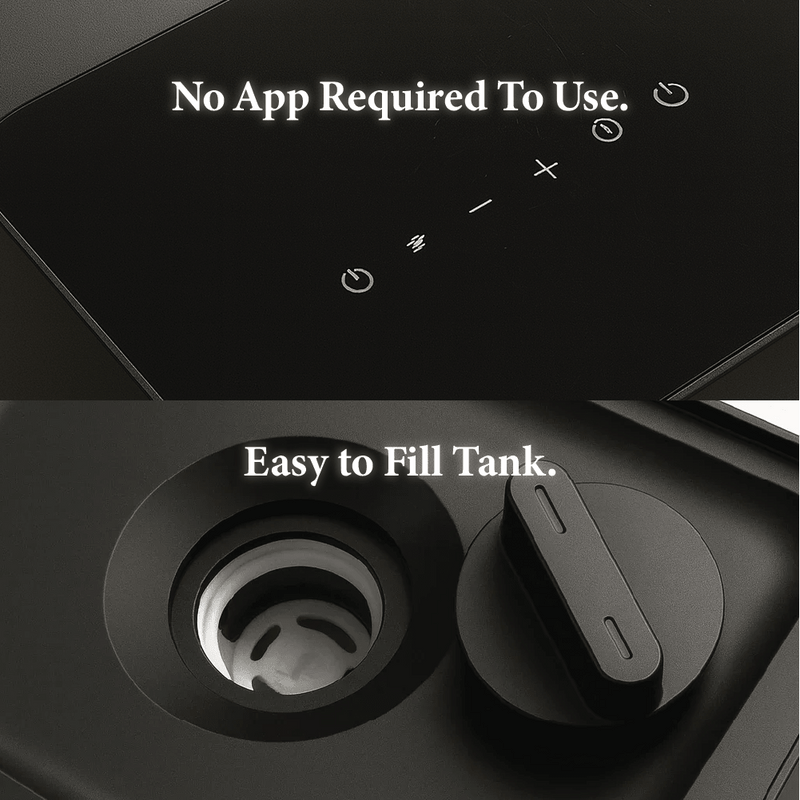
A water-based mattress topper that cools to 62°F and heats to 110°F and fits on top of the mattress you already have. Simple touch-panel control with no app, Wi-Fi or subscription. Dual zone on King.
Shop nowWho this guide is for
This guide is for anyone whose mind races at night, who wakes up at 3 a.m. thinking about work, or who feels “tired but wired”. It covers practical techniques you can start tonight and when to seek help. If stress, anxiety or low mood are severe or persistent, please talk to a doctor. For the basics of deep sleep, see what is deep sleep.
How stress affects sleep
When you’re stressed, your body activates its stress response, releasing hormones such as cortisol and adrenaline and raising heart rate and alertness. That’s useful in a crisis, but at bedtime it works against you.
Research has linked stress and hyperarousal with:
- Taking longer to fall asleep.
- More awakenings during the night.
- Lighter sleep overall, with some studies finding changes in deep sleep.
- Waking up too early and being unable to get back to sleep.
Mental arousal, such as rehearsing tomorrow’s tasks, replaying conversations or worrying about sleep itself, is one of the most common reasons people can’t fall asleep.
The tired-but-wired cycle
A difficult cycle can develop:
- Stress makes sleep worse.
- Poor sleep makes you more reactive to stress the next day.
- You start worrying about sleep itself.
- That worry adds more arousal at bedtime.
The techniques below target different points in this cycle.
Worry time
Set aside 10 to 15 minutes in the late afternoon or early evening, not right before bed. Write down what’s on your mind and, for each item, a possible next step or a note that there’s nothing to do right now. When worries come up at night, remind yourself they’ve been written down and have a time slot tomorrow.
A to-do list before bed
Some research suggests writing a specific to-do list for the next day before bed may help people fall asleep faster. Getting tasks out of your head and onto paper makes them easier to let go.
A wind-down routine

A 30 to 60 minute routine in dim light helps your mind shift gears. Choose calm, enjoyable activities and do them in the same order each night:
- Dim the lights.
- Have a warm shower or bath.
- Read something calm.
- Stretch gently.
- Listen to quiet music or an audiobook.
Avoid work emails, the news and intense shows in this window.
Breathing and relaxation
These techniques can help calm the stress response:
- Slow breathing. Breathe in gently for a count of four and out for a count of six. Repeat for a few minutes.
- Progressive muscle relaxation. Tense each muscle group for a few seconds, then release, working from your feet up.
- Body scan. Slowly move your attention through your body, noticing sensations without trying to change them.
- Mindfulness. Notice thoughts as they come and let them pass without engaging. Some studies suggest mindfulness programmes can improve sleep quality.
Practise during the day too, so they’re familiar when you need them at night.
Daytime habits that reduce stress
- Exercise is linked with lower anxiety and better sleep. See exercise and deep sleep.
- Time outdoors and morning light support your body clock and mood.
- Limit caffeine, which can heighten anxiety in some people. See alcohol, caffeine and deep sleep.
- Social connection helps buffer stress.
- Boundaries around work, such as not checking email after a set time.
What to do if you wake at night
- Keep the lights low and the clock out of sight.
- Try slow breathing or a body scan.
- If you’ve been awake a long time and feel frustrated, get up, do something calm in dim light and return to bed when sleepy.
- Avoid your phone; it’s designed to be engaging.
Don’t use alcohol to unwind
It’s tempting to use a drink to take the edge off a stressful day, but alcohol tends to fragment sleep later in the night, which can leave you more tired and less resilient the next day.
When to get help
See a doctor if:
- Stress, anxiety or low mood are affecting your daily life.
- You’ve had trouble sleeping most nights for several weeks.
- You’re relying on alcohol or other substances to sleep.
- You have thoughts of harming yourself; seek urgent help.
Cognitive behavioural therapy for insomnia (CBT-I) is the recommended first-line treatment for chronic insomnia, and therapy for anxiety or depression can also improve sleep.
A one-week calm-down plan
| Day | Add |
|---|---|
| 1 | Set a fixed wake time and a wind-down start time |
| 2 | Ten minutes of worry time in the late afternoon |
| 3 | A to-do list before your wind-down |
| 4 | Five minutes of slow breathing in bed |
| 5 | A work email cut-off time |
| 6 | A 20-minute walk outdoors |
| 7 | Review what helped most and keep it |
Rethinking thoughts about sleep
Worry about sleep itself can become a big part of the problem. Thoughts like “If I don’t get eight hours I’ll be useless tomorrow” or “I’ll never sleep properly again” increase pressure and arousal at bedtime.
A technique used in CBT-I is to gently question these thoughts:
- Is it really true? Most people function better after a poor night than they expect.
- What’s the evidence? Think of times you’ve coped after short sleep.
- What would I tell a friend? We’re usually kinder to others than to ourselves.
- What’s a more balanced thought? For example: “Tonight might not be perfect, but I’ll rest, and I can manage tomorrow.”
This isn’t about positive thinking for its own sake. It’s about reducing the extra pressure that keeps your brain on alert.
Common mistakes
Trying too hard to sleep. Effort raises alertness. Focus on resting calmly instead.
Checking the clock. It turns sleep into a countdown and adds pressure.
Taking work to bed. Even “just checking” email can restart the stress response.
Doom-scrolling. News and social media feeds are designed to keep you engaged and often leave you more anxious.
Skipping the basics. Stress techniques work best alongside a steady schedule, a cool bedroom and limited caffeine. See how to get more deep sleep.
Stress, temperature and the body
Stress can make some people feel hot and restless at night. A cool, dark bedroom, breathable bedding and a warm shower an hour or two before bed can help your body settle. If you share a bed with someone who runs at a different temperature, separate duvets or a fan on one side can stop small discomforts from adding to a stressed night. See temperature and deep sleep. If you and a partner disagree on temperature, a bed cooling and heating system with dual zone on King lets each side be set separately.
A real-world example
Someone with a demanding job finds they lie awake replaying meetings and planning the next day. They start a 10-minute worry session at 6 p.m., write a to-do list after dinner, stop checking email at 8 p.m. and practise slow breathing in bed. Within a couple of weeks, they’re falling asleep faster and waking less often at night. On the nights stress does wake them, they use the breathing technique or get up briefly rather than lying there frustrated.
Key takeaways
- Stress activates the body’s alert system, which can make sleep lighter and more broken.
- Worry time, to-do lists and a wind-down routine help your mind let go.
- Slow breathing and relaxation techniques calm the stress response.
- Exercise, daylight and less caffeine help during the day.
- Get help if stress or sleep problems persist.
Related guides
These guides go deeper on closely related topics:
- What Is Deep Sleep? The Complete Plain-English Guide: the complete plain-English guide to slow-wave sleep.
- How Much Deep Sleep Do You Need? What the Evidence Says: what the evidence says and why there is no magic number.
- Exercise and Deep Sleep: How Moving More Can Help You Sleep Deeper: how moving more supports deeper sleep, with a starter plan.
- Deep Sleep and Memory: What Happens in Your Brain Overnight: what happens in your brain overnight.
Each one follows the same approach: practical steps, plain language, honest about what the research does and doesn’t show, and no miracle cures.
Frequently asked questions
Can stress reduce deep sleep?
Research links stress and hyperarousal with lighter, more fragmented sleep, and some studies have found changes in deep sleep. Managing stress supports better sleep overall.
Why do I wake up at 3 a.m. stressed?
Sleep is naturally lighter in the second half of the night, so it’s easier to wake up, and a stressed mind can then latch onto worries. Breathing techniques and getting up briefly if needed can help.
What’s the fastest way to calm down before bed?
Slow breathing, with a longer out-breath than in-breath, is a quick technique many people find helpful. Practise it during the day so it’s familiar.
Does meditation help sleep?
Some studies suggest mindfulness and meditation programmes can improve sleep quality. They’re low-risk and worth trying.
When should I see a doctor about stress and sleep?
If stress or poor sleep is affecting your daily life, lasts more than a few weeks or you’re relying on alcohol to sleep, talk to a doctor.
Can journaling help me sleep?
Many people find writing down worries or a to-do list earlier in the evening helps them let go of thoughts at bedtime. It’s simple, free and worth trying for a couple of weeks.