Why You Wake Up Tired Even After a Full Night’s Sleep
The most common reasons sleep doesn't feel restorative, from sleep inertia and fragmented sleep to sleep apnea, and what you can do about each.
You went to bed on time, stayed in bed for eight hours and still woke up feeling like you hadn’t slept at all. It’s frustrating, and it’s one of the most common sleep complaints. The cause is often not how long you slept but how well: sleep that’s fragmented, mistimed or disturbed can leave you unrefreshed even when the hours look fine.
This guide walks through the most common reasons people wake up tired, how to tell which might apply to you and what to do about each.
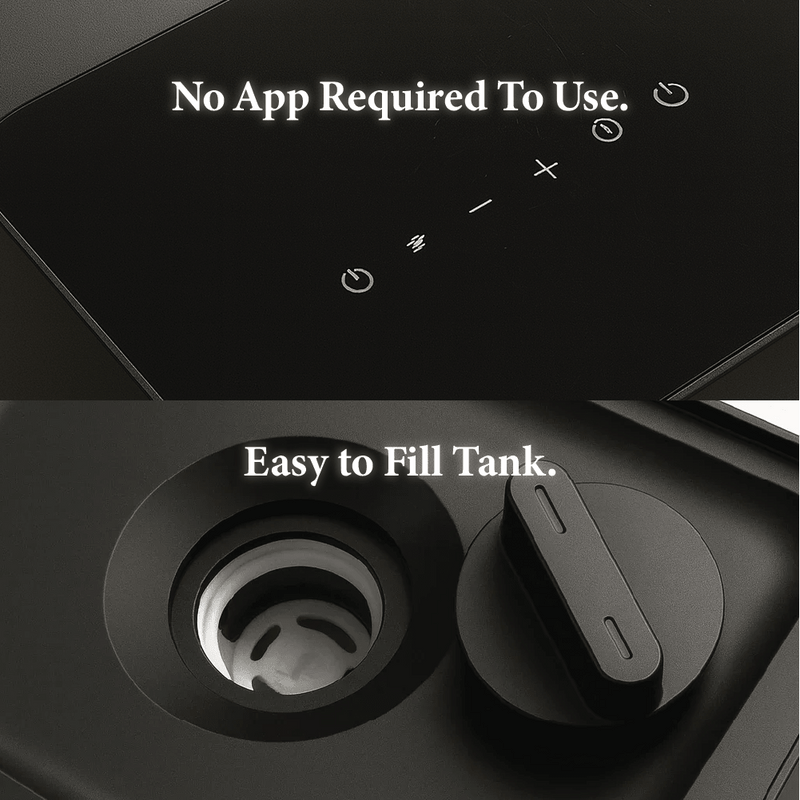
Good Sleep cooling and heating mattress topper
A water-based mattress topper that cools to 62°F and heats to 110°F and fits on top of the mattress you already have. Simple touch-panel control with no app, Wi-Fi or subscription. Dual zone on King.
Shop nowWho this guide is for
This guide is for anyone who regularly wakes up unrefreshed despite spending enough time in bed. It covers everyday causes you can fix yourself and medical causes that need a doctor. If you’re severely sleepy during the day or have nodded off while driving, see a doctor promptly. For background, see what is deep sleep.
1. Sleep inertia
Grogginess right after waking is called sleep inertia. It’s normal and usually fades within a short while, but it can be worse if your alarm goes off during deep sleep.
What helps: a consistent wake time, so your body expects to wake; bright light and movement soon after waking; and not hitting snooze repeatedly, which fragments the last part of your sleep.
2. An irregular schedule
If your bedtime and wake time vary a lot, especially between weekdays and weekends, your body clock may not be in step with your alarm. That can leave you feeling jet-lagged.
What helps: keep your wake time within about an hour every day and get morning light. See how to get more deep sleep.
3. Not as much sleep as you think
Time in bed isn’t the same as time asleep. If you spend a long time falling asleep or lie awake in the night, your actual sleep may be much shorter than eight hours.
What helps: keep a simple diary for two weeks noting roughly when you fell asleep, when you woke and how long you were awake in the night.
4. Alcohol
Alcohol tends to fragment sleep in the second half of the night, reducing REM and causing more awakenings, many of which you won’t remember. It can also worsen snoring and sleep apnea.
What helps: leave a few hours between your last drink and bedtime, and try some alcohol-free nights. See alcohol, caffeine and deep sleep.
5. Caffeine
Caffeine late in the day can make sleep lighter even if you fall asleep easily.
What helps: set a caffeine cut-off in the early afternoon.
6. A hot or disruptive bedroom
Heat, light and noise can pull you out of deeper sleep without fully waking you.
What helps: a cool, dark, quiet room and breathable bedding. See temperature and deep sleep.
7. Stress and a busy mind
Stress can make sleep lighter and more restless. See stress and deep sleep.
8. Obstructive sleep apnea
Sleep apnea is a common condition where the airway repeatedly narrows or closes during sleep, interrupting breathing. Each interruption can briefly wake the brain, fragmenting sleep and reducing deep sleep, often without the person realising.
Signs include:
- Loud, regular snoring.
- Gasping, choking or pauses in breathing noticed by a partner.
- Waking with a dry mouth or headache.
- Strong daytime sleepiness.
- Needing to urinate during the night.
Sleep apnea is more common with age, higher body weight and in men, but it affects all kinds of people. It’s linked with other health problems and it’s treatable. If this sounds familiar, see a doctor.
9. Other medical causes
Other conditions that can leave you tired despite enough sleep include:
- Restless legs syndrome and periodic limb movements.
- Depression and anxiety.
- Thyroid problems, anaemia and other medical conditions.
- Chronic pain.
- Side effects of medicines.
- Less commonly, narcolepsy and other disorders of sleepiness.
A doctor can help work out whether any of these are involved.
10. Not enough sleep, consistently
Sometimes the answer is simply that you need more sleep than you’re getting. Most adults need at least seven hours, and some need more. See how much deep sleep do you need.
Quick self-check
| Question | If yes, consider |
|---|---|
| Do you snore loudly or stop breathing in your sleep? | Sleep apnea; see a doctor |
| Does your wake time vary by hours across the week? | Irregular schedule |
| Do you drink alcohol most evenings? | Alcohol-related fragmentation |
| Do you have caffeine after mid-afternoon? | Caffeine affecting sleep depth |
| Do you wake up hot? | Bedroom or bed temperature |
| Do you lie awake worrying? | Stress; insomnia |
| Are you very sleepy during the day despite enough sleep? | See a doctor |
A two-week reset
- Fixed wake time every day, with morning light.
- Caffeine only before early afternoon.
- No alcohol for at least the first week.
- Cool, dark, quiet bedroom.
- A 30-minute wind-down in dim light.
- Note how rested you feel each morning on a scale of one to five.
If you still wake up exhausted after two weeks of this, it’s a good time to see a doctor.
Common mistakes
Sleeping in to compensate. Long lie-ins can shift your body clock later and make it harder to wake the next day.
More caffeine to cope. It helps in the short term but can make the next night’s sleep lighter.
Ignoring snoring. Loud snoring is often dismissed as a nuisance, but with breathing pauses it can indicate sleep apnea.
Assuming it’s just stress or age. Those can contribute, but persistent unrefreshing sleep deserves a proper look.
What a doctor might do
If you see a doctor about waking up tired, they may ask about your sleep habits, snoring, mood, medicines and medical history, and may suggest blood tests to check for problems such as anaemia or thyroid issues. If a sleep disorder is suspected, they may refer you for a sleep study, which may be done in a lab or at home. Bringing a two-week sleep diary to the appointment can be very helpful.
Real-world examples
The weekend sleeper. Someone wakes at 6 a.m. on weekdays and 10 a.m. at weekends. By Monday their body clock has shifted later, and the alarm goes off at what feels like the middle of the night. Keeping weekend wake times within an hour of weekdays usually helps within a couple of weeks.
The evening drinker. Someone has two or three drinks most evenings, falls asleep quickly but wakes at 3 a.m. and dozes until the alarm. Leaving a gap of a few hours before bed, or having alcohol-free weeknights, often makes mornings noticeably easier.
The quiet snorer. Someone sleeps eight hours but is exhausted every day. Their partner mentions loud snoring and pauses in breathing. A sleep study confirms sleep apnea, and treatment improves their energy.
The hot sleeper. Someone wakes several times a night feeling hot and kicks off the covers. A cooler bedroom, breathable sheets and a lighter duvet reduce awakenings. Water-cooled toppers keep the sleep surface cool all night; if you want to try one, see how it works.
Key takeaways
- Waking up tired is often about sleep quality and timing, not just hours.
- Common fixable causes include irregular schedules, alcohol, late caffeine and a hot bedroom.
- Sleep apnea is common and fragments deep sleep; loud snoring and breathing pauses need a doctor.
- If two weeks of good habits don’t help, get checked.
Related guides
These guides go deeper on closely related topics:
- Stress and Deep Sleep: How to Calm Your Mind for Deeper Rest: how to calm your mind for deeper rest.
- Deep Sleep vs REM Sleep: What’s the Difference and Why Both Matter: how the two key stages differ and why you need both.
- Temperature and Deep Sleep: Why a Cooler Bed Helps You Sleep Deeper: why a cooler bed helps and how to get there.
- Sleep Trackers and Deep Sleep: How Accurate Are Those Numbers?: how accurate wearable deep sleep numbers really are.
Each one follows the same approach: practical steps, plain language, honest about what the research does and doesn’t show, and no miracle cures.
Frequently asked questions
Why do I wake up tired after eight hours of sleep?
Common reasons include fragmented sleep from alcohol, noise or heat, an irregular schedule, waking during deep sleep, stress and sleep disorders such as sleep apnea.
Is it normal to feel groggy when I wake up?
Some grogginess, called sleep inertia, is normal and usually fades quickly. If it lasts for hours or you’re sleepy all day, look for other causes.
Can too much sleep make you tired?
Oversleeping occasionally can leave you groggy, often because it shifts your body clock. Regularly needing a lot of sleep can also be a sign of an underlying problem worth checking.
How do I know if I have sleep apnea?
Signs include loud snoring, breathing pauses or gasping noticed by a partner, morning headaches and daytime sleepiness. Only a sleep study can diagnose it.
Will a sleep tracker tell me why I’m tired?
A tracker can show patterns, but it can’t diagnose sleep disorders. See sleep trackers and deep sleep.
Can dehydration make me wake up tired?
Mild dehydration can contribute to feeling sluggish and having a headache in the morning, particularly after alcohol. Drink steadily through the day, then taper off before bed so you don’t wake up for the bathroom.
Does the time I eat dinner affect how I feel in the morning?
A large, heavy meal close to bedtime can cause discomfort or reflux for some people, which can disturb sleep. Finishing your main meal two to three hours before bed is a common suggestion.