Exercise and Deep Sleep: How Moving More Can Help You Sleep Deeper
What research says about exercise and slow-wave sleep, the best timing for workouts, and a simple plan to build activity that supports deeper sleep.
Exercise is one of the few habits that seems to help almost every part of health, and sleep is no exception. Many studies have linked regular physical activity with better sleep quality, and some have found it’s associated with more slow-wave sleep. You don’t need to be an athlete to benefit; consistent, moderate movement is enough.
Good Sleep cooling and heating mattress topper
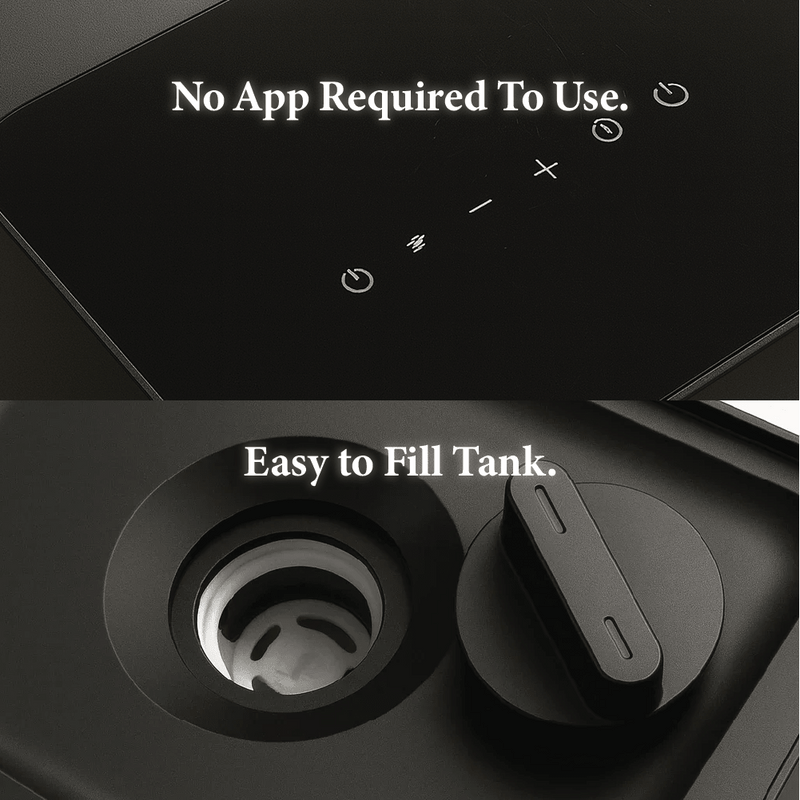
A water-based mattress topper that cools to 62°F and heats to 110°F and fits on top of the mattress you already have. Simple touch-panel control with no app, Wi-Fi or subscription. Dual zone on King.
Shop nowWho this guide is for
This guide is for anyone who wants to sleep more deeply and is wondering whether exercise can help, from people who are currently inactive to regular exercisers wondering about timing. If you have a heart condition, joint problems or other health concerns, or you haven’t exercised in a long time, check with a doctor before starting something vigorous. For more on deep sleep itself, see what is deep sleep.
What research says
Studies on exercise and sleep have found:
- Regular physical activity is associated with better self-reported sleep quality.
- Exercise programmes can improve sleep in people with sleep complaints, including middle-aged and older adults.
- Some studies have found exercise associated with increased slow-wave sleep, though results vary depending on the type, amount and timing of exercise and the people studied.
Effects are usually modest and build over time. Exercise isn’t a cure for sleep disorders, but it’s one of the most worthwhile habits to add.
Why exercise may support deep sleep
Researchers have suggested several reasons:
- Sleep pressure. Physical activity may add to the body’s need for restorative sleep.
- Temperature. Exercise raises body temperature, and the drop afterwards may help with sleep.
- Stress and mood. Regular activity is linked with lower anxiety and better mood, which can make sleep easier.
- Body clock. Outdoor exercise adds daylight, which helps anchor your internal clock.
- Weight and breathing. For some people, staying active helps with weight, which can affect sleep apnea.
How much activity?
General guidelines for adults, such as those from the World Health Organization, recommend at least 150 to 300 minutes of moderate activity a week, or 75 to 150 minutes of vigorous activity, plus muscle-strengthening activities on two or more days. Those targets are for overall health, but they’re a good benchmark for sleep too.
If that sounds like a lot, start smaller. Ten minutes of walking is a good beginning, and benefits build as you do more.
Does timing matter?
For most people, the best time to exercise is the time they’ll actually do it. Some patterns are worth knowing:
| Timing | What to know |
|---|---|
| Morning, outdoors | Adds daylight that helps set your body clock |
| Afternoon or early evening | Fits many schedules; unlikely to harm sleep for most |
| Shortly before bed, intense | May make it harder for some people to fall asleep |
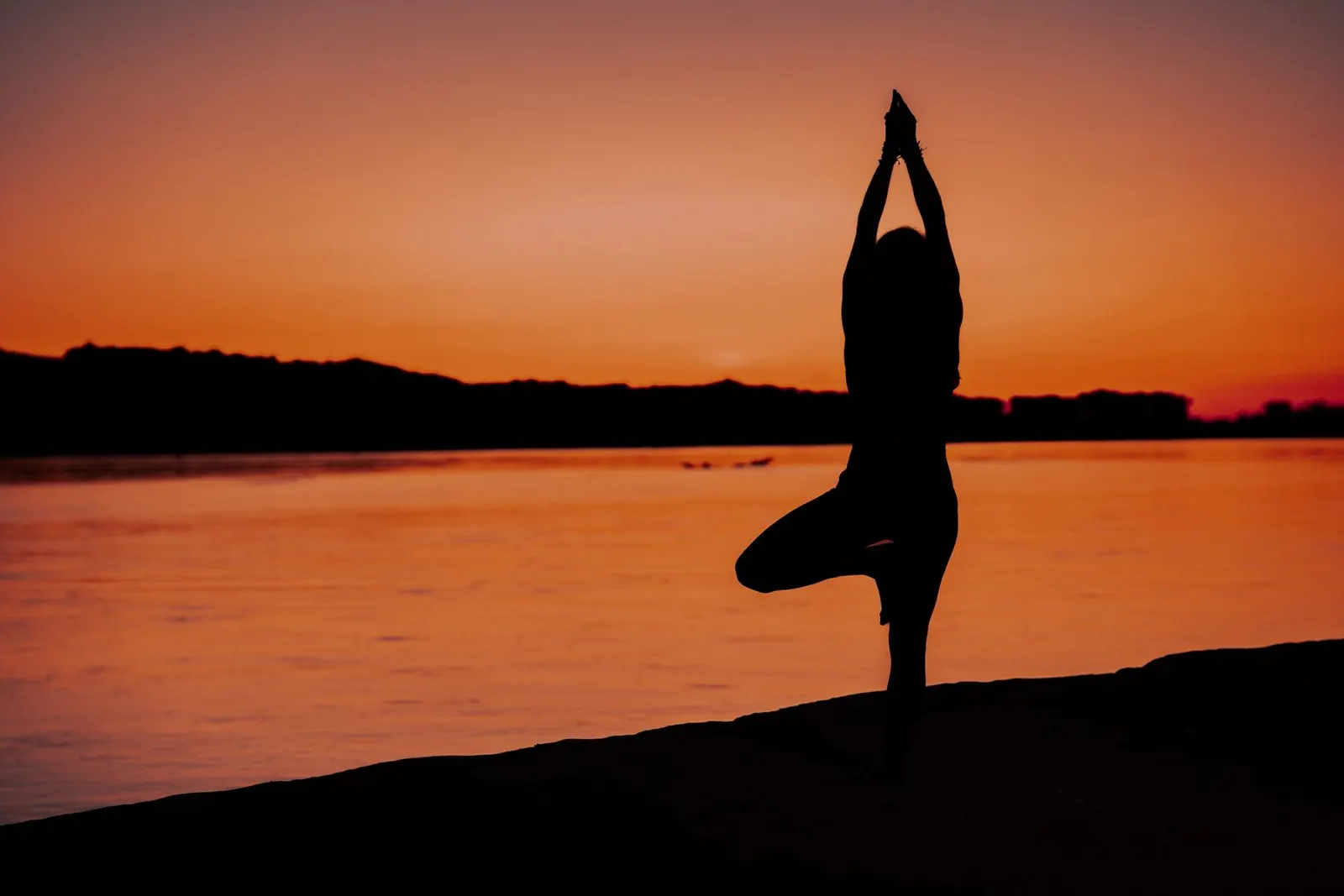
| Gentle stretching or yoga at night | Can be part of a relaxing wind-down |
Research suggests moderate evening exercise doesn’t harm sleep for most people. If you find intense late workouts leave you wired, move them earlier.
Types of exercise
- Aerobic exercise such as walking, cycling, swimming and jogging has been studied the most.
- Strength training is recommended for overall health and some studies suggest it benefits sleep too.
- Mind-body exercise such as yoga and tai chi may help with relaxation and sleep quality, especially in older adults.
A mix is ideal for overall health.
A four-week starter plan
Week 1: Walk for 10 minutes on five days, ideally outdoors in the morning.
Week 2: Walk for 15 minutes on five days. Add one short strength session, such as chair squats, wall push-ups and step-ups.
Week 3: Walk for 20 minutes on five days at a brisk pace. Do two short strength sessions.
Week 4: Build to 25 to 30 minutes on five days, or swap some walks for cycling or swimming. Keep two strength sessions and add a few minutes of gentle stretching in the evening.
Note how you feel each morning. Many people notice they fall asleep more easily and wake more refreshed within a few weeks.
Exercising when you’re tired
After a bad night, a gentle walk is usually a good idea and may help you sleep better the following night. Save hard training for days when you feel rested. Over-training without enough recovery can backfire.
Exercise and other habits
Exercise works best alongside other sleep habits:
- A steady sleep schedule and enough total sleep.
- A cool bedroom, especially after evening workouts. See temperature and deep sleep.
- Avoiding alcohol as a post-workout “reward” close to bedtime. See alcohol, caffeine and deep sleep.
- Watching caffeine in pre-workout drinks, which can contain large amounts.
Common mistakes
Going too hard too fast. Sudden intense training is hard to sustain and can leave you sore and exhausted.
Expecting instant results. Some people sleep better the same night, but changes often take weeks.
Cutting sleep to fit in workouts. Sleep is when your body recovers. Early workouts shouldn’t come at the expense of enough sleep.
Ignoring warning signs. Chest pain, dizziness or unusual breathlessness need medical attention.
Exercise for different situations
Older adults. Research in older adults has linked regular activity, including walking, tai chi and strength training, with better sleep quality. Balance and strength exercises also help prevent falls. See deep sleep and age.
People with insomnia. Exercise can be a helpful addition, but it isn’t a replacement for cognitive behavioural therapy for insomnia (CBT-I), the recommended first-line treatment.
People with sleep apnea. Some studies suggest exercise can modestly improve sleep apnea severity, even independently of weight loss, but it doesn’t replace medical treatment.
Shift workers. Exercise at a consistent time relative to your sleep period, and avoid very intense sessions right before you need to sleep.
Hot sleepers. After evening workouts, a cool shower, light sleepwear and a cooler bedroom can help your body settle. See temperature and deep sleep. If heat still wakes you, the Good Sleep System is a water-based topper that cools to 62°F and heats to 110°F, with no app or subscription.
Building the habit
The biggest challenge with exercise is consistency. Some strategies that help:
- Attach it to something you already do, such as walking after your morning coffee.
- Make it social with a friend, partner or class.
- Track the days you move, not your pace or distance.
- Plan for bad weather with an indoor option.
- Be flexible. A 10-minute walk on a busy day keeps the habit alive.
Recovery matters too
Exercise and sleep work together. Hard training increases your need for recovery, and much of that recovery happens during sleep. If you’re increasing your training, protect your sleep at the same time. Signs you may be overdoing it include persistent fatigue, poor sleep despite tiredness, irritability and frequent minor illnesses. Easing back for a week or two usually helps.
A real-world example
Someone who works at a desk all day, sleeps lightly and feels sluggish starts walking for 15 minutes each morning before work. After a month, they’ve built up to 30 minutes most days plus two short strength sessions a week. They report falling asleep more easily and feeling more alert in the mornings. Their tracker shows a small, inconsistent change in deep sleep, but their sleep quality and energy have clearly improved, which is what matters.
Activity ideas that don’t feel like exercise
- Walking or cycling for short journeys.
- Gardening or yard work.
- Dancing at home.
- Taking the stairs.
- Playing active games with children or grandchildren.
- Walking meetings or phone calls.
Key takeaways
- Regular exercise is linked with better sleep quality, and some studies show more slow-wave sleep.
- Aim towards general activity guidelines, but start where you are.
- Morning outdoor exercise adds daylight; moderate evening exercise is fine for most.
- Combine exercise with a steady schedule and a cool bedroom.
Related guides
These guides go deeper on closely related topics:
- Alcohol, Caffeine and Deep Sleep: What Your Evening Drinks Really Do: what evening drinks really do to your sleep stages.
- Why You Wake Up Tired Even After a Full Night’s Sleep: common reasons sleep does not feel restorative.
- How to Get More Deep Sleep: 10 Habits That Actually Help: ten practical habits that support deeper sleep.
- Deep Sleep and Age: How Your Sleep Changes Over a Lifetime: how deep sleep changes over a lifetime and what helps.
Each one follows the same approach: practical steps, plain language, honest about what the research does and doesn’t show, and no miracle cures.
Frequently asked questions
Does exercise increase deep sleep?
Some studies have found exercise associated with more slow-wave sleep, and many have found better sleep quality overall. Effects vary between people.
What’s the best exercise for deep sleep?
There isn’t one best type. Aerobic exercise has been studied the most, but strength training, yoga and tai chi also have evidence for sleep benefits. Choose what you’ll do regularly.
Is it bad to work out at night?
For most people, moderate evening exercise doesn’t harm sleep. Very intense exercise close to bedtime may make it harder for some to fall asleep.
How long until exercise improves my sleep?
Some people notice changes within days, but improvements often build over several weeks.
Can yoga help me sleep deeper?
Yoga may help with relaxation and sleep quality, and gentle yoga can be part of a wind-down routine. Effects on deep sleep specifically are less clear.
Should I exercise if I have insomnia?
Regular activity is a helpful habit for most people with insomnia and has been linked with better sleep. It works best alongside proven treatment such as CBT-I rather than as a replacement.
Is walking enough to improve sleep?
For many people, yes. Regular brisk walking counts as moderate activity and is linked with better sleep quality, especially when done outdoors in daylight.