Sleep Trackers and Deep Sleep: How Accurate Are Those Numbers?
How wearables estimate deep sleep, what research says about their accuracy, and how to use tracker data without letting it ruin your sleep.
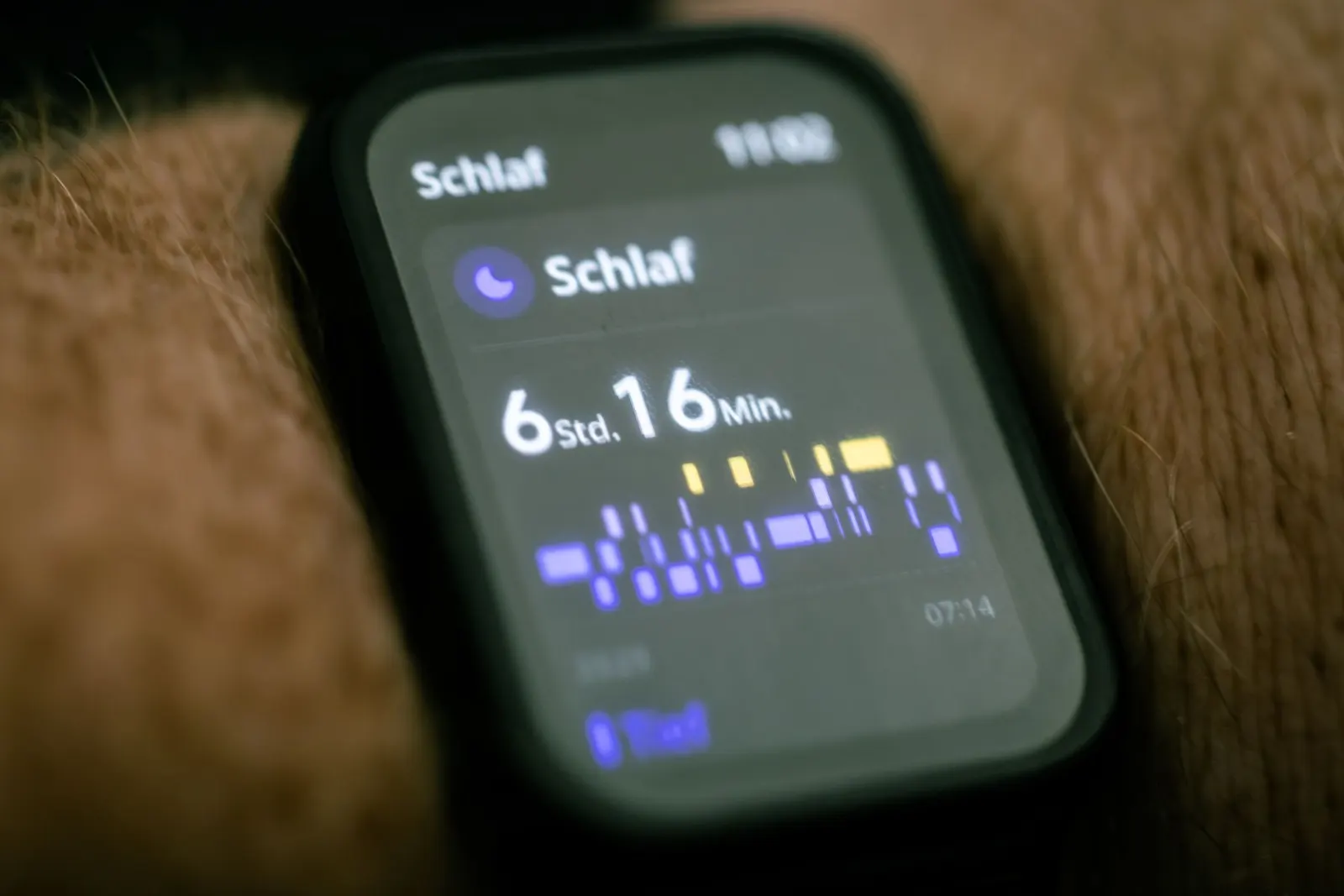
Smartwatches, rings and apps now tell millions of people every morning how much deep sleep they got. It’s fascinating data, but it can also cause a lot of worry. A low deep sleep number can leave you feeling tired before you’ve even got out of bed, whether or not it’s accurate.
This guide explains how trackers estimate deep sleep, what research says about their accuracy and how to use them in a way that helps rather than harms.
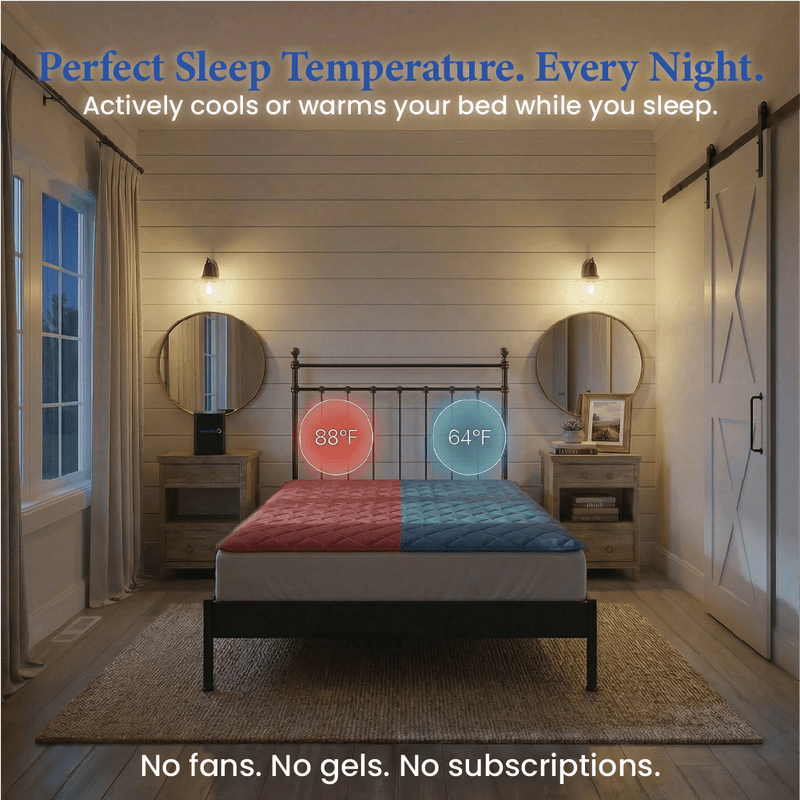
Good Sleep cooling and heating mattress topper
A water-based mattress topper that cools to 62°F and heats to 110°F and fits on top of the mattress you already have. Simple touch-panel control with no app, Wi-Fi or subscription. Dual zone on King.
Shop nowWho this guide is for
This guide is for anyone who uses a sleep tracker or is thinking about getting one, especially if you’ve been worried by low deep sleep numbers. It explains what the numbers can and can’t tell you. For background on deep sleep itself, see what is deep sleep.
How sleep is measured in a lab
The gold standard for measuring sleep stages is polysomnography, a sleep study usually done in a sleep lab. It records:
- Brain waves (EEG).
- Eye movements.
- Muscle activity.
- Heart rhythm, breathing and oxygen levels.
Trained technicians score sleep stages, including deep sleep, mainly from brain waves. Deep sleep is defined by its characteristic slow, large waves, so measuring brain activity is central.
How consumer trackers estimate sleep
Most wearables don’t measure brain waves. Instead, they estimate sleep stages using signals such as:
- Movement, from an accelerometer.
- Heart rate and heart rate variability, from optical sensors.
- Sometimes skin temperature, breathing rate or blood oxygen.
Algorithms then predict which stage you’re probably in, based on patterns learned from people who wore the device during lab sleep studies. Deep sleep tends to come with low movement, slow, steady heart rate and certain heart rate variability patterns, so trackers look for those signals.
How accurate are they?
Research comparing consumer trackers with lab sleep studies has generally found:
- Sleep vs wake: Many trackers are reasonably good at telling when you’re asleep, though they often overestimate sleep by missing quiet periods of wakefulness.
- Sleep stages: Accuracy for specific stages, including deep sleep, is lower and varies between devices and between people.
- Trends: Trackers may be more useful for showing changes over time in the same person than for exact nightly figures.
Devices and algorithms improve over time, and some newer devices perform better in studies than older ones, but none currently replaces a sleep study for measuring stages.
Why your deep sleep number might be off
- Lying still while awake can look like deep sleep.
- Fit and placement affect sensor readings.
- Individual differences in heart rate patterns can confuse algorithms.
- Medicines, alcohol and illness can change heart rate in ways that affect estimates.
- Different brands use different algorithms, so two devices on the same night can give quite different results.
When tracking backfires
Some people become so focused on getting perfect sleep scores that the anxiety itself disrupts sleep. Researchers have described this pattern as “orthosomnia”. Signs include:
- Checking your score first thing and letting it set your mood for the day.
- Feeling tired because of a low number, even if you felt fine before you looked.
- Spending longer in bed trying to raise your numbers.
- Trying more and more products to improve your score.
If this sounds familiar, consider taking a break from tracking for a couple of weeks.
How to use a tracker well
- Look at trends, not single nights. Weekly averages are more meaningful.
- Use it to test changes. Does your sleep look better on weeks with less alcohol, more exercise or a cooler room?
- Pair it with how you feel. Rate your energy each morning on a scale of one to five, and give that rating more weight than the deep sleep figure.
- Pay attention to consistency. Bedtime and wake time data are often more reliable and more useful than stage estimates.
- Don’t chase a deep sleep target. There’s no official target for deep sleep. See how much deep sleep do you need.
What trackers are useful for
| Useful for | Less reliable for |
|---|---|
| Spotting trends in total sleep and timing | Exact nightly deep sleep minutes |
| Noticing effects of alcohol, late nights or exercise | Diagnosing sleep disorders |
| Encouraging a regular schedule | Comparing your numbers with other people |
| Tracking resting heart rate trends | Precise stage-by-stage breakdowns |
When to see a doctor instead
Trackers can’t diagnose sleep disorders. See a doctor if you:
- Snore loudly or someone notices pauses in your breathing.
- Feel very sleepy during the day despite enough time in bed.
- Have trouble sleeping most nights for weeks.
- See repeated low blood oxygen alerts, if your device has them, alongside symptoms.
A doctor may recommend a sleep study, sometimes done at home.
Improving deep sleep, not just the number
The things that genuinely support deep sleep are the same whether you track or not: enough total sleep, a steady schedule, regular exercise, a cool, dark bedroom, and limiting alcohol and late caffeine. See how to get more deep sleep.
Questions to ask about any sleep gadget
Before buying a new device or subscription that promises better deep sleep, ask:
- What does it measure directly? Movement and heart rate, or brain waves?
- Has it been tested against a sleep study? Look for published research, not just marketing claims.
- What will I do with the data? If you won’t change anything, it may not be worth the cost.
- Could it make me anxious? If you tend to worry, a daily score may not help.
- Is it comfortable? A device that disturbs your sleep defeats the purpose.
Using data to test habits
A tracker can be a good way to run simple experiments. For example:
- Track for two weeks with your usual routine.
- For the next two weeks, change one thing, such as no alcohol on weeknights, a cooler bedroom or a fixed wake time.
- Compare averages, not individual nights, and combine them with your own morning ratings.
If both the data and how you feel improve, you’ve found something worth keeping. See how to get more deep sleep for ideas to test.
Common myths
“My tracker measures my deep sleep.” Most trackers estimate it from indirect signals.
“A higher sleep score always means better health.” Scores are proprietary formulas and can’t capture everything that matters.
“If my tracker says I slept well, I must be fine.” If you feel unrefreshed, trust that and look for causes.
A real-world example
Someone buys a smart ring and finds their deep sleep is consistently lower than the average shown in the app. They start going to bed earlier and spending longer in bed to improve it, but they end up lying awake more and feel worse. After taking a two-week break from checking the app and focusing on a steady wake time, morning light and less evening alcohol, they feel better, and when they look again, their total sleep has become more consistent.
The lesson isn’t that trackers are bad. It’s that the most meaningful changes come from habits, and that how you feel is the best measure of whether they’re working.
Key takeaways
- Sleep labs measure deep sleep from brain waves; most trackers estimate it from movement and heart rate.
- Trackers are better at sleep vs wake than at specific stages.
- Use trends and how you feel, not single-night numbers.
- If tracking makes you anxious, take a break.
- See a doctor for symptoms of sleep disorders.
Related guides
These guides go deeper on closely related topics:
- Deep Sleep and Memory: What Happens in Your Brain Overnight: what happens in your brain overnight.
- What Is Deep Sleep? The Complete Plain-English Guide: the complete plain-English guide to slow-wave sleep.
- How Much Deep Sleep Do You Need? What the Evidence Says: what the evidence says and why there is no magic number.
- Exercise and Deep Sleep: How Moving More Can Help You Sleep Deeper: how moving more supports deeper sleep, with a starter plan.
Each one follows the same approach: practical steps, plain language, honest about what the research does and doesn’t show, and no miracle cures.
A cool, comfortable bed helps you stay asleep through the second half of the night. If you still sleep hot, a water-cooled mattress topper can cool the surface you lie on rather than the whole room.
Frequently asked questions
Are sleep trackers accurate for deep sleep?
They provide estimates that can differ considerably from lab measurements. They’re more useful for trends than exact figures.
Which tracker is most accurate?
Accuracy varies by device and algorithm version, and studies are ongoing. No consumer device currently matches a lab sleep study for staging sleep.
Why does my tracker say I got little deep sleep when I feel fine?
The estimate may be inaccurate, or you may simply be someone with less deep sleep who still sleeps well. How you feel is a better guide.
Should I stop using my sleep tracker?
Not necessarily. If it helps you keep good habits, keep using it. If it makes you anxious, try a break.
Can a tracker detect sleep apnea?
Some devices can flag possible breathing problems, but they can’t diagnose sleep apnea. See a doctor if you have symptoms.
Do sleep trackers work for people with irregular heart rhythms?
Conditions that affect heart rhythm, such as atrial fibrillation, and some medicines that change heart rate can make heart-rate-based sleep staging less reliable. If you have a heart condition, treat stage estimates with extra caution and talk to your doctor about any alerts your device gives you.
Is it worth paying for a sleep app subscription?
It depends on what you’ll do with the information. If insights and reminders genuinely help you keep a steady schedule and better habits, they may be worthwhile. If you mainly look at a daily score and worry about it, the money may be better spent elsewhere, such as on blackout curtains or breathable bedding.